Real estate litigation arises from contract breaches, undisclosed defects, title disputes, boundary conflicts, landlord-tenant issues, construction problems, fraud, financing disputes, zoning violations, and partnership disagreements. Understanding these causes helps you prevent costly legal battles.
Most property disputes escalate to lawsuits when parties can’t resolve conflicts through negotiation, or when one side discovers problems that threaten their investment. Whether you’re buying your first home, managing rental properties, or investing in commercial real estate, knowing when issues cross the line from disagreement to legal action can save you significant time and money.
A real estate lawyer can help you identify warning signs early and protect your interests before disputes become expensive court battles.
Key insights you’ll find in this guide:
- Specific triggers that transform property disagreements into lawsuits
- Documentation you need to strengthen your legal position
- Cost and timeline expectations for different dispute types
- Prevention strategies that stop problems before they start
- When to consult legal counsel versus attempting resolution yourself
What Is Real Estate Litigation?
Real estate litigation is the legal process of resolving property-related disputes through the court system when parties cannot reach agreement through negotiation or alternative resolution methods. These lawsuits involve conflicts over property ownership, transactions, use rights, or contractual obligations related to residential, commercial, or investment real estate. Cases range from straightforward eviction proceedings to complex multi-party disputes involving construction defects, fraud claims, or partnership dissolution.
The litigation process typically begins when one party files a complaint alleging harm or breach of legal obligations, followed by formal discovery where both sides exchange evidence, depositions, and expert testimony. Most real estate cases settle before trial through mediation or arbitration, but those that proceed to court can take 12 to 36 months and cost between $10,000 and $100,000 or more depending on complexity. Property owners, buyers, sellers, landlords, tenants, contractors, and investors all face litigation risk when transactions go wrong, property conditions are misrepresented, or agreements are breached.
What Are the Main Causes of Real Estate Litigation?
Real estate litigation stems from disputes over contracts, property conditions, ownership rights, and financial obligations. These conflicts arise when parties disagree on transaction terms, discover hidden defects, face title problems, or encounter boundary issues that cannot be resolved through negotiation.
Property transactions involve substantial financial stakes, complex legal documents, and multiple parties with competing interests. When communication breaks down or one party fails to meet their obligations, litigation becomes necessary to protect rights and recover damages.
The most common causes include:
- Breach of purchase agreements, lease terms, or seller disclosures
- Undisclosed property defects or misrepresentation of condition
- Title defects, liens, or ownership disputes
- Boundary line conflicts and easement disagreements
- Landlord-tenant disputes over lease terms or property damage
- Construction defects and contractor performance failures
- Fraud, misrepresentation, or failure to disclose material facts
- Financing issues, foreclosure disputes, and mechanic’s liens
- Zoning violations and land use regulation conflicts
- Partnership breakdowns and co-ownership disagreements
- HOA disputes and community association enforcement conflicts
Each cause has distinct legal thresholds, documentation requirements, and resolution paths. Understanding these triggers helps property owners, buyers, sellers, and investors recognize when professional legal intervention becomes necessary.
How Do Breach of Contract Issues Lead to Lawsuits?
Breach of contract litigation occurs when one party fails to fulfill written purchase agreement terms, lease obligations, or closing conditions. These disputes represent the single most common cause of real estate lawsuits because every property transaction relies on enforceable written agreements.
Purchase agreement breaches happen when buyers fail to secure financing by deadline, sellers refuse to complete closing after accepting an offer, or either party violates contingency terms. For example, a seller who accepts a backup offer before the original buyer’s inspection contingency expires has breached the contract.
Lease agreement disputes arise when tenants stop paying rent, landlords fail to maintain habitable conditions, or either party violates early termination clauses. A landlord who enters a rental unit without proper notice or a tenant who sublets without permission both create breach of contract grounds.
Common contract breach scenarios include:
- Financing contingency violations – Buyer fails to apply for loans within the specified timeframe
- Seller disclosure failures – Seller omits known defects from required disclosure forms
- Closing date disputes – Either party refuses to close on the agreed date without valid reason
- Earnest money conflicts – Disputes over who keeps the deposit when deals fall through
- Repair agreement failures – Seller doesn’t complete agreed-upon repairs before closing
Documentation that strengthens breach of contract claims includes the signed purchase agreement, all addendums and amendments, email correspondence confirming terms, proof of performance (loan applications, inspection reports), and evidence of damages suffered due to the breach.
Most breach of contract cases settle before trial when one party can demonstrate clear violation of specific contract terms with quantifiable damages.
When Do Property Defects and Non-Disclosure Trigger Litigation?
Property defect litigation arises when sellers fail to disclose known material defects or actively conceal problems that affect property value, safety, or usability. Material defects are issues that would influence a reasonable buyer’s decision to purchase or the price they would pay.
Sellers have a legal duty to disclose defects they know about, even if buyers don’t specifically ask. This includes structural problems, water damage, pest infestations, environmental hazards, and mechanical system failures. Saying “I don’t know” when you actually do know constitutes fraudulent non-disclosure.
The key legal threshold is whether the defect was “material” and whether the seller knew or should have known about it. A cracked foundation is always material. A minor cosmetic flaw typically isn’t. The difference determines whether litigation has merit.
Examples of litigation-triggering defects include:
- Foundation cracks or settling – Structural integrity issues that require expensive repairs
- Roof leaks with hidden water damage – Mold, rot, or structural deterioration
- Faulty electrical or plumbing systems – Code violations or safety hazards
- Pest damage – Termite damage, rodent infestations affecting structural elements
- Environmental contamination – Lead paint, asbestos, underground storage tanks
- Previous flooding or water intrusion – Basement seepage, drainage problems
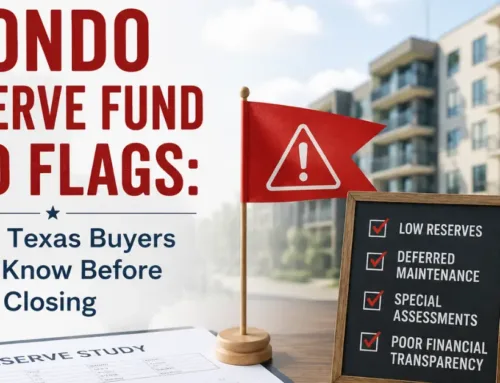
Buyers who discover undisclosed defects after closing must prove the seller knew about the problem and intentionally failed to disclose it — which is why knowing the right questions to ask before buying a condo can help surface these issues before they become lawsuits. Evidence includes prior inspection reports the seller received, contractor estimates for repairs the seller obtained but didn’t complete, insurance claims filed for the damage, or testimony from neighbors who witnessed the problem.
Successful defect litigation typically results in compensation for repair costs, diminished property value, and sometimes punitive damages when fraud is proven. The statute of limitations for these claims varies by state but generally ranges from two to six years from discovery of the defect.
What Title and Ownership Disputes Result in Legal Action?
Title disputes arise when property ownership is unclear, encumbered by liens or claims, or transferred improperly. These conflicts require litigation when competing parties claim ownership rights or when undisclosed liens surface after closing.
Clear title means the seller has full legal authority to transfer ownership without restrictions, claims, or debts attached to the property. When title searches miss existing problems or new claims emerge, buyers may find themselves unable to sell, refinance, or fully use their property.
Common title issues requiring legal action include:
- Undiscovered liens – Mechanic’s liens, tax liens, or judgment liens not revealed in title search
- Forged deeds or documents – Fraudulent transfers by someone without authority
- Boundary disputes affecting title – Surveys revealing structures on wrong parcels
- Easement conflicts – Undisclosed rights-of-way limiting property use
- Inheritance disputes – Multiple heirs claiming ownership after property owner’s death
- Adverse possession claims – Long-term occupants claiming ownership rights
- Divorce settlement violations – Ex-spouse claims on property awarded to other party
Title insurance typically covers many of these issues, but policyholders must still file claims and may need to litigate if the insurer disputes coverage. Title companies defend covered claims but won’t pay for issues excluded from the policy.
Litigation becomes necessary when a title defect prevents property sale, when someone files a claim asserting superior ownership rights, or when a lien holder attempts foreclosure. These cases require extensive documentation including chain of title records, deed histories, survey results, and evidence of payment or release of claims.
Resolution often involves quiet title actions, which are lawsuits asking the court to declare ownership rights and eliminate competing claims. These cases can take months to years depending on complexity and whether all parties with potential claims can be located and notified.
How Do Boundary and Easement Conflicts Escalate to Litigation?
Boundary and easement litigation occurs when neighboring property owners disagree on property lines, encroachments, or access rights. These disputes escalate to lawsuits when informal negotiations fail and one party takes action affecting the other’s property use or value.
Property boundaries define where one parcel ends and another begins. Despite recorded surveys and legal descriptions, neighbors frequently dispute fence locations, driveway placements, or structure positions. Small encroachments become major conflicts when properties sell and new surveys reveal problems.
Easements grant specific use rights over someone else’s property, typically for access, utilities, or drainage. Disputes arise when easement holders exceed their rights or when property owners interfere with legitimate easement use.
Litigation-triggering boundary scenarios include:
- Fence disputes – One neighbor builds a fence several feet over the property line
- Building encroachments – Garage, deck, or addition extends onto neighbor’s land
- Driveway conflicts – Paved driveway crosses boundary without recorded easement
- Tree and landscaping disputes – Roots or branches significantly damage neighboring property
- Adverse possession claims – Neighbor claims ownership after maintaining area for statutory period
Easement conflicts requiring legal action include:
- Access blocking – Property owner gates or obstructs recorded right-of-way
- Excessive use – Easement holder uses access for purposes beyond grant terms
- Maintenance disputes – Disagreement over who pays for road or driveway upkeep
- Easement location conflicts – Parties disagree on exact path or width of easement
- Abandonment claims – Property owner argues easement no longer serves its purpose
Documentation critical to these cases includes current professional surveys, historical aerial photographs, title reports showing recorded easements, photographs of encroachments or obstructions, and evidence of property use patterns over time.
Many boundary disputes resolve through boundary line adjustments, which are recorded agreements moving the legal line to match existing use. Easement conflicts may settle through prescriptive easement claims, written easement agreements, or compensation for lost property rights.
What Landlord-Tenant Issues End Up in Court?
Landlord-tenant litigation stems from lease violations, property damage disputes, eviction proceedings, security deposit conflicts, and habitability issues. These cases represent a high volume of real estate litigation due to the sheer number of rental relationships and the frequency of disputes.
Tenants sue landlords when rental units become uninhabitable, when landlords wrongfully withhold security deposits, when illegal eviction attempts occur, or when landlords violate fair housing laws. Landlords sue tenants for unpaid rent, property damage beyond normal wear and tear, lease term violations, or holdover tenancy after lease expiration.
Common landlord-initiated litigation includes:
- Eviction for non-payment of rent – Tenant falls behind on monthly payments
- Eviction for lease violations – Unauthorized pets, subletting, or illegal activities
- Property damage claims – Destruction beyond security deposit amount
- Holdover tenant cases – Tenant refuses to vacate after lease ends
- Breach of lease terms – Violations of occupancy limits or use restrictions
Common tenant-initiated litigation includes:
- Habitability claims – Mold, pest infestations, heating/cooling failures, water leaks
- Wrongful eviction – Landlord locks out tenant or shuts off utilities
- Security deposit disputes – Landlord wrongfully withholds deposit for normal wear
- Discrimination claims – Violations of Fair Housing Act protections
- Retaliation claims – Eviction after tenant reports code violations
These cases require detailed documentation including the lease agreement, rent payment records, written notices, photographs of property conditions, repair requests and responses, and communication logs between parties.
Most jurisdictions require landlords to follow specific notice procedures before filing eviction lawsuits. Failure to provide proper notice or to allow statutory cure periods can result in case dismissal. Similarly, tenants must typically provide written notice of habitability issues and allow reasonable time for repairs before withholding rent or taking legal action.
Small claims court handles many landlord-tenant disputes involving security deposits or minor damages. More serious cases involving substantial unpaid rent, significant property damage, or habitability issues proceed through general civil court with potentially higher damage awards.
When Do Construction Defects Require Litigation?
Construction defect litigation arises when newly built or renovated properties have structural problems, building code violations, or workmanship failures that affect safety, functionality, or value. These disputes involve homeowners suing builders, general contractors, subcontractors, architects, or engineers for defective work.
Construction defects fall into four categories: design deficiencies (flawed plans or specifications), material defects (substandard or wrong materials used), construction deficiencies (poor workmanship), and subsurface deficiencies (inadequate soil preparation or drainage).
Litigation becomes necessary when defects cause property damage, create safety hazards, or significantly reduce home value, and when contractors refuse to repair the problems or deny responsibility. Many states require pre-litigation notice periods allowing contractors opportunity to inspect and remedy defects before lawsuits can be filed.
Common construction defects triggering lawsuits include:
- Foundation problems – Cracking, settling, or improper reinforcement
- Water intrusion issues – Roof leaks, window leaks, inadequate waterproofing
- HVAC system failures – Improperly sized, installed, or vented systems
- Electrical deficiencies – Code violations, inadequate capacity, fire hazards
- Plumbing defects – Leaks, drain problems, code violations
- Structural deficiencies – Inadequate framing, load-bearing problems
- Exterior problems – Siding failures, stucco cracks, deck collapses
Property owners must typically prove the defect exists, that it resulted from contractor negligence or breach of contract, that it causes actual damage or safety issues, and that repair costs are quantifiable. Expert testimony from engineers, architects, or specialized inspectors is usually required.
Documentation strengthening construction defect claims includes the construction contract, plans and specifications, building permits and inspection records, correspondence with contractors, photographs documenting problems, repair estimates from licensed contractors, and expert reports identifying cause and required remediation.
Many construction defect cases involve multiple defendants because general contractors, subcontractors, suppliers, designers, and previous property owners may share liability. These cases can become complex as parties cross-claim against each other.
Statutes of limitations for construction defects vary significantly by state, ranging from two to ten years from project completion. Some states have statutes of repose that bar claims after a certain period regardless of when defects were discovered.
How Do Fraud and Misrepresentation Cases Arise?
Real estate fraud litigation occurs when one party deliberately provides false information or conceals material facts to induce another party to complete a transaction they would not have pursued with accurate information. These cases require proof of intentional deception, not merely negligent misstatements.
Fraud claims have strict legal elements: a false representation of material fact, knowledge the statement was false, intent to deceive, justifiable reliance on the false statement, and actual damages resulting from that reliance. All elements must be proven, typically by clear and convincing evidence.
Misrepresentation claims are similar but don’t always require proof of intent to deceive. Negligent misrepresentation occurs when someone makes false statements without reasonable basis while in a position of special trust or expertise. Innocent misrepresentation involves false statements made in good faith but with negligent verification.
Common fraud and misrepresentation scenarios include:
- Income property fraud – Falsified rent rolls or occupancy rates to inflate value
- Seller disclosure fraud – Active concealment of major defects through cosmetic cover-ups
- Square footage misrepresentation – Inflated measurements in listings or appraisals
- Zoning and use fraud – False claims about permitted property uses
- Rental history fraud – Misrepresented tenant payment history or property expenses
- Appraisal fraud – Inflated valuations to secure larger loans
- Title fraud – Forged documents transferring property from rightful owners
Real estate professionals (agents, brokers, appraisers) face heightened liability for misrepresentations because buyers and sellers rely on their expertise. An agent who knowingly understates flood risk or overstates school district boundaries commits professional misconduct in addition to potential fraud.
Fraud cases require extensive documentation including marketing materials with false claims, written statements later proven false, evidence the party making statements knew they were false, proof of property’s actual condition or characteristics, and damages calculation showing losses from the misrepresentation.
Fraud claims carry significant consequences beyond contract damages. Courts may award punitive damages to punish intentional deception, and real estate professionals may face license suspension or revocation. Criminal prosecution is possible in cases involving mortgage fraud or schemes to defraud multiple victims.
The statute of limitations for fraud typically doesn’t begin until the fraud is discovered or reasonably should have been discovered, which can extend the filing deadline years beyond the transaction date.
What Financing and Lien Disputes Lead to Lawsuits?
Financing and lien litigation arises from mortgage default, foreclosure proceedings, mechanic’s lien claims, lien priority disputes, and disagreements over loan terms or payoff amounts. These cases involve lenders, borrowers, contractors, title companies, and junior lienholders competing for payment from property value.
Foreclosure represents the most common financing litigation. When borrowers default on mortgage payments, lenders initiate legal proceedings to sell the property and recover their loan balance. Borrowers may contest foreclosure by alleging wrongful default, improper notice, or predatory lending practices.
Mechanic’s liens allow contractors, subcontractors, and material suppliers to claim property interests when they aren’t paid for work performed or materials supplied. These liens can surprise property owners who paid their general contractor but whose contractor failed to pay subcontractors.
Litigation-triggering financing scenarios include:
- Foreclosure defense – Borrower challenges lender’s right to foreclose or process used
- Wrongful foreclosure – Lender forecloses despite borrower being current or in approved modification
- Deficiency judgments – Lender sues borrower for remaining balance after foreclosure sale
- Mortgage fraud claims – Borrower alleges predatory lending or loan term violations
- Payoff disputes – Disagreement over correct loan payoff amount at refinance or sale
- Title insurance claims – Lender’s title policy doesn’t cover unexpected lien
Mechanic’s lien litigation scenarios include:
- Priority disputes – Determining whether mechanic’s lien ranks ahead of mortgages
- Lien validity challenges – Property owner contests whether lien was properly filed
- Lien amount disputes – Disagreement over value of work performed or materials supplied
- Notice requirement failures – Claims lien is invalid due to improper preliminary notices
- Foreclosure of lien – Contractor seeks court-ordered sale to satisfy unpaid debt
Property owners can protect themselves by requiring lien waivers from all contractors and subcontractors before making final payments, verifying payments reach subcontractors, and understanding their state’s preliminary notice requirements.
Lenders reduce risk through proper title searches, title insurance, and subordination agreements establishing lien priority. Borrowers should document all payment difficulties, loan modification requests, and lender communications to defend against wrongful foreclosure claims.
These cases often involve urgent timelines because foreclosure sales can proceed rapidly once initiated, and mechanic’s liens have strict filing deadlines after work completion. Acting quickly to assert rights or contest claims is essential.
How Do Zoning and Land Use Violations Trigger Legal Action?
Zoning and land use litigation occurs when property owners violate local regulations, when municipalities deny permits or variance requests, or when neighboring property owners challenge approved developments. These disputes involve property rights balanced against community planning objectives.
Zoning laws regulate how property can be used (residential, commercial, industrial), development density, building height and setbacks, parking requirements, and aesthetic standards. Property owners who violate these regulations face enforcement actions, fines, and orders to remove non-compliant structures.
Land use litigation takes several forms. Property owners sue municipalities when permit applications are denied, when zoning interpretations seem arbitrary, or when regulations constitute unlawful takings without compensation. Municipalities sue property owners to enforce violations. Neighbors sue to stop developments they believe violate zoning codes or harm their property values.
Common zoning violation scenarios include:
- Unpermitted conversions – Single-family home converted to multi-unit without approval
- Home business violations – Commercial operations in residential zones exceeding allowed scope
- Setback violations – Structures built too close to property lines
- Accessory building violations – Oversized sheds, garages, or guest houses
- Parking requirement violations – Insufficient off-street parking for business or multi-unit property
Permit denial disputes arise when:
- Variance requests rejected – Hardship claims deemed insufficient for exception
- Conditional use permits denied – Proposed use doesn’t meet safety or compatibility standards
- Subdivision applications rejected – Lot divisions don’t meet minimum size or infrastructure requirements
- Environmental review requirements – Development delayed or denied for impact concerns
- Historical preservation conflicts – Changes to designated historic properties prohibited
Property owners challenging municipal decisions must typically exhaust administrative appeals before filing lawsuits. This involves appealing to zoning boards of adjustment or planning commissions before seeking judicial review.
Successful challenges to zoning enforcement require proving the regulation is unconstitutional as applied to the property, that enforcement is selective or discriminatory, or that the violation is legally nonconforming (predating current zoning rules and protected as grandfathered use).
Municipalities must follow proper notice and hearing procedures before imposing fines or requiring structure removal. Property owners can defend by showing compliance, that violations were innocent mistakes, or that enforcement would constitute economic hardship disproportionate to the violation.
These cases often involve technical expert testimony regarding land planning, environmental impacts, traffic studies, or economic analyses. Resolution may include negotiated settlements allowing modified development plans or granting variances with conditions protecting neighborhood character.
When Do Partnership and Co-Ownership Disputes Require Litigation?
Partnership and co-ownership litigation arises when multiple parties jointly own real estate but disagree on management decisions, expense allocation, sale timing, or profit distribution. These disputes require legal intervention when parties cannot reach consensus and informal resolution fails.
Co-ownership takes several forms: tenancy in common (independent ownership shares), joint tenancy (with survivorship rights), tenancy by entirety (married couples), and various partnership structures including general partnerships, limited partnerships, and LLCs. Each structure has different legal rights and dispute resolution mechanisms.
Common triggers for partnership litigation include:
- Partition actions – One owner seeks court-ordered property sale or physical division
- Mismanagement claims – Managing partner accused of self-dealing or negligence
- Expense disputes – Disagreements over maintenance costs, improvements, or assessment allocation
- Profit distribution conflicts – Disputes over rental income or sale proceeds distribution
- Buyout disagreements – Co-owners can’t agree on fair price for one party to purchase others’ interests
- Decision deadlock – Equal owners unable to agree on major decisions without tiebreaker mechanism
Investment property partnerships face additional challenges when partners disagree on renovation budgets, tenant selection, lease terms, or exit strategy timing. Silent partners may discover active partners mismanaged property or diverted funds.
Family co-ownership often leads to litigation when inherited property must be sold but siblings disagree on timing or sales price, or when one sibling exclusively uses property while others want rental income or sale proceeds.
Documentation preventing partnership disputes includes:
- Written partnership or LLC operating agreements – Defining decision-making authority, capital contribution requirements, profit distribution formulas
- Buy-sell provisions – Establishing valuation methods and purchase rights when partners want to exit
- Dispute resolution procedures – Requiring mediation or arbitration before litigation
- Management authority definitions – Clarifying which decisions require unanimous consent vs. majority vote
- Deadlock resolution mechanisms – Tiebreaker procedures or forced buyout triggers
Partition lawsuits allow any co-owner to force property sale even over other owners’ objections. Courts prefer partition by sale rather than physical division because dividing property into separate parcels often isn’t practical. Sale proceeds are distributed according to ownership percentages.
Partnership disputes over management require proof that the managing partner breached fiduciary duties through self-dealing, negligence, or failure to account for funds. Partners owe each other duties of loyalty and care, making them liable for decisions benefiting themselves at partners’ expense.
These cases can be particularly emotional when they involve family members or long-term business relationships. Mediation often succeeds because parties have ongoing relationships worth preserving, and litigation costs can consume significant portions of property value.
How Can You Prevent Real Estate Litigation?
Preventing real estate litigation requires thorough due diligence, detailed written agreements, proper documentation, clear communication, and prompt professional guidance when disputes arise. Most lawsuits stem from misunderstandings, incomplete documentation, or avoidable conflicts that escalate unnecessarily.
Essential prevention strategies:
- Use comprehensive written contracts Never rely on verbal agreements for real estate transactions. Every term should be clearly written, including contingencies, timelines, inspection rights, repair responsibilities, and default remedies. Ambiguous language creates litigation opportunities.
- Conduct thorough inspections and due diligence Buyers should hire qualified inspectors for structure, systems, pests, and environmental hazards. Sellers should conduct pre-listing inspections to identify and address problems before listing. Commercial buyers need environmental assessments, survey verification, and title examination.
- Provide complete and accurate disclosures Sellers must disclose all known material defects, even if they seem minor. When unsure whether something requires disclosure, disclose it. Documentation proving disclosure protects against future claims.
- Obtain proper surveys and title insurance Current surveys identify boundary issues, encroachments, and easements before closing. Title insurance protects against undiscovered liens, ownership defects, and forgery. These investments prevent far costlier litigation later.
- Document everything in writing Keep copies of all agreements, amendments, disclosures, inspection reports, repair estimates, email correspondence, and text messages. Written documentation proves what was agreed and when problems were known.
- Hire qualified professionals Work with experienced real estate attorneys for contract review, licensed contractors for improvements, qualified inspectors for property evaluation, and reputable title companies for closing. Professional guidance prevents costly mistakes.
- Address problems immediately Small issues become major lawsuits when ignored. Tenants should report maintenance problems promptly in writing. Landlords should respond to repair requests quickly. Buyers discovering post-closing problems should notify sellers immediately.
- Include dispute resolution provisions Contracts should specify mediation or arbitration requirements before litigation. These alternative dispute resolution methods are faster, less expensive, and more likely to preserve business relationships.
- Maintain adequate insurance coverage Landlords need comprehensive liability and property insurance. Contractors require general liability and professional liability coverage. Title insurance protects ownership rights. Adequate coverage limits prevent personal financial exposure.
- Communicate clearly and promptly Many disputes escalate because parties stop communicating or make assumptions about others’ intentions. Direct, professional communication resolves most conflicts before they become legal battles.
Red flags requiring immediate legal consultation:
- Receiving notice of lawsuit or formal legal demand
- Title search reveals unexpected liens, claims, or ownership questions
- Discovering significant undisclosed property defects after closing
- Facing foreclosure or receiving default notices from lenders
- Disputes with co-owners over management or sale decisions
- Zoning violations or code enforcement actions
- Contract breach by the other party with significant financial consequences
- Claims of fraud, misrepresentation, or professional negligence
Early legal advice often prevents litigation by clarifying rights, identifying resolution options, and facilitating productive negotiations. Waiting until formal lawsuits are filed limits strategic options and increases legal costs.
Bottom Line: Understanding Your Litigation Risk
Real estate litigation stems from preventable problems more often than unavoidable conflicts. Contract breaches, undisclosed defects, title problems, and boundary disputes all share common factors: inadequate documentation, incomplete due diligence, poor communication, or failure to seek timely professional guidance.
Understanding litigation triggers helps you recognize warning signs before disputes escalate. When you identify potential issues early, most can be resolved through negotiation, mediation, or modest compromise rather than expensive, time-consuming lawsuits.
The key question isn’t whether your situation could theoretically support a lawsuit. It’s whether litigation is necessary and cost-effective compared to alternatives. Many disputes settle once parties understand litigation costs, time requirements, and uncertain outcomes.
If you’re facing a real estate dispute, document everything in writing, preserve all relevant records, avoid inflammatory communication, and consult an experienced real estate attorney before the situation escalates. Early intervention provides more strategic options and often prevents litigation entirely.
Real estate transactions represent major financial decisions. Protecting your investment through proper documentation, thorough due diligence, and prompt professional guidance when problems arise significantly reduces litigation risk and preserves your property rights
Protect Your Real Estate Investment With Experienced Legal Guidance
Whether you’re facing a property dispute or want to prevent one, Kelly Legal Group provides strategic counsel tailored to your specific situation. Our real estate litigation attorneys have extensive experience resolving contract breaches, title disputes, construction defects, and partnership conflicts throughout Texas. We focus on early intervention, cost-effective resolution strategies, and protecting your long-term interests through negotiation, mediation, or trial representation when necessary.
Don’t let a property dispute escalate into costly litigation. Contact Kelly Legal Group today for a consultation to discuss your situation, understand your options, and develop a strategic plan that protects your investment.
Real Estate Litigation FAQs
How long does real estate litigation typically take to resolve in Texas?
It depends on how willing both sides are to settle – and most people underestimate that variable. Straightforward evictions or simple contract disputes can wrap up in a matter of weeks. Anything involving title defects, construction liability, or multiple co-owners is a different situation entirely; those cases regularly run 12 to 36 months if they reach trial. The single biggest time-saver is catching the dispute early. Attorneys who get involved before positions harden have a much better shot at mediation rather than courtroom arguments.
Can I sue a seller for not disclosing defects after closing in Texas?
Yes – but the burden falls on you to prove they knew. Texas requires sellers to complete a Seller’s Disclosure Notice covering known material defects. When a seller skips something or actively hides a problem, claims can include fraud, DTPA violations, or breach of contract. The catch is that “the seller should have noticed” rarely wins. You need evidence of actual knowledge – prior inspection reports, repair quotes they obtained, insurance claims on the same issue. Texas gives you four years on fraud claims from the date of discovery, not closing.
What is a quiet title action and when do you need one in Texas?
A quiet title action asks a court to settle who actually owns a property when the record is unclear or contested. You need one when a title defect is blocking a sale or refinance, when an heir or ex-spouse is asserting a competing claim, or when someone has occupied and improved land long enough to argue adverse possession. The court examines the full chain of title and issues a binding judgment. Timeline varies – a straightforward case with one claimant moves faster than one involving multiple unknown heirs or fragmented estate records.
Does title insurance protect me from all real estate disputes?
Not even close – and this is where a lot of buyers get caught off guard. Title insurance covers defects that existed before your policy issued: undisclosed liens, forged deeds, recording errors. It does nothing for disputes that develop after closing. Boundary conflicts with a neighbor, post-closing zoning violations, construction defects, landlord-tenant problems – all outside the policy. Read the exclusions before you assume you’re covered. Even on legitimate claims, insurers sometimes dispute coverage amounts, which means you may still end up in litigation despite having the policy.
What is the difference between mediation and arbitration in a real estate dispute?
Mediation gives both parties control – a neutral third party helps you negotiate, but nobody can force a settlement. If talks break down, you still have other options. Arbitration is closer to a private trial: an arbitrator hears arguments and issues a decision, usually binding. Many real estate contracts now require mediation before either party can file suit, which is worth knowing before you assume you can go straight to court. One caution on arbitration – appeals are very limited. If the arbitrator gets it wrong, you typically live with it, which is why the strength of your position matters before agreeing to binding arbitration.