What Does a Foreclosure Notice Actually Mean?
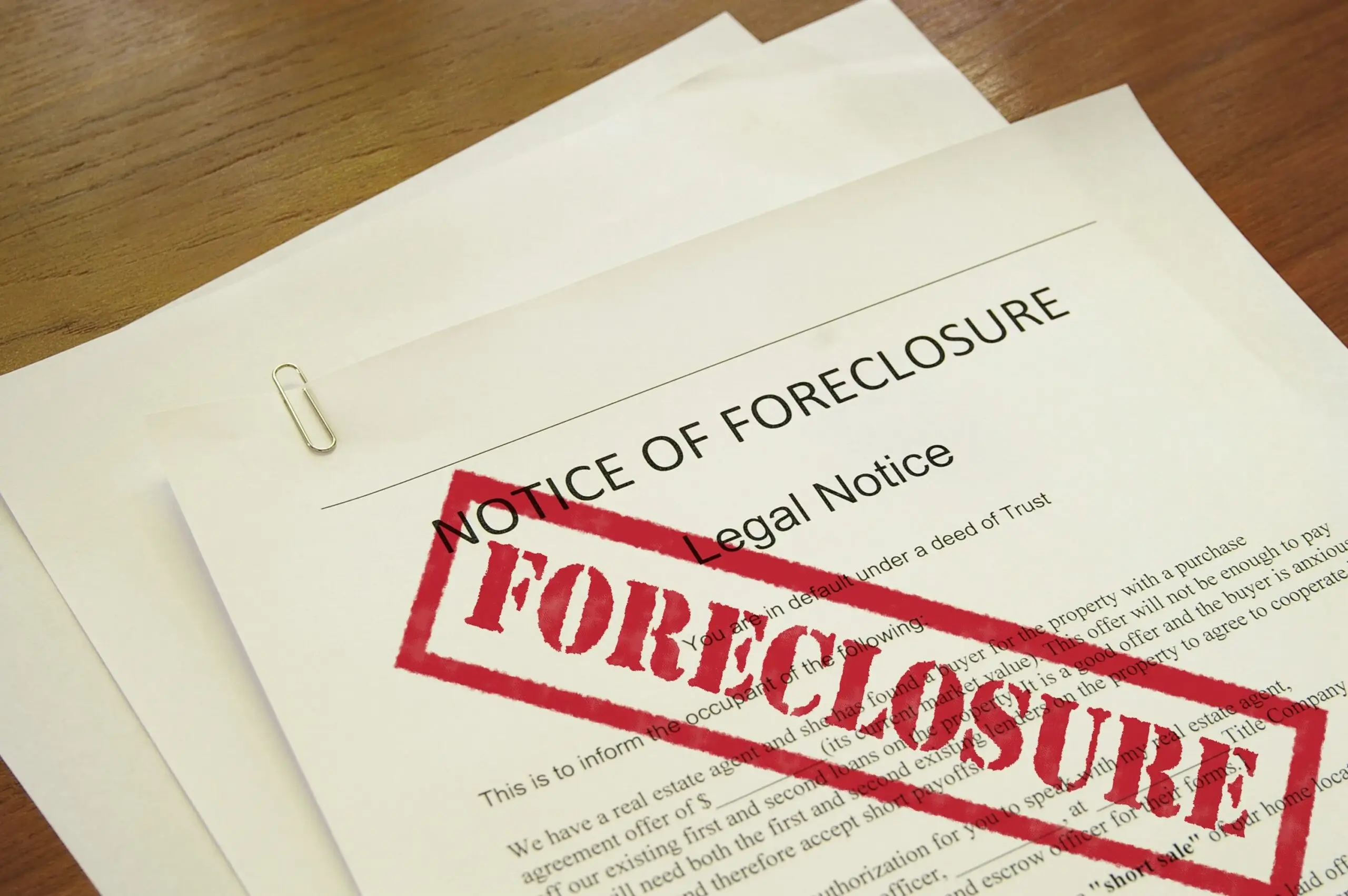
Most homeowners read a foreclosure notice once, feel their stomach drop, and set it aside. That’s the worst thing you can do. A foreclosure notice is a legal document with hard deadlines – every day you wait narrows your options.
Here’s what the notice is actually telling you: your lender has formally declared you in default and has begun the process to recover the property. In Texas, this process moves fast. From the date of the notice, a foreclosure sale can happen in as little as 21 days. Understanding exactly what type of notice you received – and what it triggers – determines every decision that follows.
Texas law recognizes several distinct notice types, and each one means something different:
Notice of Default (NOD):
Issued when you’re 120+ days delinquent under current federal mortgage servicing rules (effective since 2014 and still in force in 2026). This is your lender’s formal declaration that you’ve breached the mortgage contract. In Texas, your mortgage contract typically specifies a 30-day cure period from the date of this notice — meaning you have 30 days to pay the past-due amount in full before the lender can accelerate the loan. Act within that window and you stop the process cold.
Notice of Sale (NOS):
This is the real alarm. It means your lender has scheduled an auction date. In Texas, the sale occurs on the first Tuesday of the month at the county courthouse. You must receive this notice at least 21 days before the sale date.
Notice of Acceleration:
When a lender accelerates the loan, they’re demanding the entire remaining balance – not just past-due payments – immediately. Once acceleration happens, you can’t simply catch up on missed payments to cure the default without the lender’s agreement.
Breach Letter:
Often the first written warning, sent before formal default notices. It outlines what you owe and gives you a chance to cure before formal proceedings begin.
Read your notice carefully and identify which type you have. The date on the document, the amount listed as due, and any cure deadline stated are the three numbers that matter most right now.
2026 Texas Notice Requirements at a Glance:
- Cure period: Typically 30 days from Notice of Default (per your mortgage contract)
- Reinstatement deadline: Up to the business day before the scheduled sale
- Notice of Sale minimum lead time: 21 days before auction
- Sale day: First Tuesday of the month at the county courthouse
- No redemption period: Once the gavel falls, ownership transfers immediately
What Does It Mean If You Find a Foreclosure Notice on Your Door?
Finding a foreclosure notice posted on your door – rather than delivered by mail – is a specific legal step that signals the process has advanced. In Texas, lenders are required to serve a Notice of Sale by certified mail and by posting it at the courthouse. Some lenders also post a physical copy at the property itself, particularly when mail delivery has been uncertain or when the property appears vacant.
A notice on your door does not mean the foreclosure has already happened. It does mean a sale date has been set and you’re likely within the 21-day notice window. This is not a warning – it’s a countdown. The specific steps you need to take immediately are laid out in the action plan below, but the short answer is: contact a foreclosure attorney the same day you find that notice. The timeline at this stage is measured in days, not weeks.
Do not ignore it because you’re embarrassed, because you plan to move out anyway, or because you think it’s too late. Even at this stage, Texas homeowners have used legal strategies – including filing for bankruptcy to trigger an automatic stay – to halt a sale that was days away.
5-Step Emergency Action Plan After Receiving a Foreclosure Notice
The difference between homeowners who stop foreclosure and those who lose their homes often comes down to what they do in the first 72 hours after receiving a notice. Panic and paralysis are the two responses that kill your options. Here’s the exact sequence that gives you the best chance of keeping your home.
Step 1: Read the Notice and Record Every Deadline
Before you call anyone or make any decisions, sit down with the notice and extract four pieces of information:
- The type of notice (default, sale, acceleration, or breach letter)
- The exact amount listed as owed – including any fees the lender has added
- The cure deadline – the date by which payment must be received to stop the process
- The scheduled sale date, if one has been set
Write these down. Then check the notice for errors. Lenders and their servicers make mistakes – wrong loan amounts, incorrect payment histories, notices sent to outdated addresses, or procedural failures in how the notice was served. In Texas, a defective notice can be challenged. You won’t catch errors if you don’t read carefully. Any discrepancy you find is worth flagging to an attorney immediately.
Step 2: Pull Together Your Financial Picture – Fast
Before you contact your lender, know your numbers. Your servicer will ask about your income, monthly expenses, and what changed. Go in prepared rather than letting them direct the conversation. Gather the following:
- Your last two pay stubs or proof of income
- Your last two months of bank statements
- A written explanation of why you fell behind (job loss, medical bills, divorce – lenders call this a “hardship letter”)
- Your most recent mortgage statement showing the full payoff balance
- Documentation of any insurance claims, property tax issues, or other factors affecting the loan
Having this ready makes you a more credible candidate for a modification or repayment plan. Lenders are more likely to work with organized, responsive borrowers than with those who seem uninformed about their own situation.
Step 3: Contact Your Mortgage Servicer – But Know What You’re Walking Into
Call your servicer within 48 hours of receiving the notice. This call has two purposes: to open the loss mitigation process and to start documenting that you made a good-faith effort to resolve the situation.
Ask specifically to speak with the loss mitigation department – not general customer service. Request information about your options in writing. During the call, ask directly:
- What loss mitigation options are currently available to me?
- What is the deadline to submit a loss mitigation application?
- Will submitting an application pause the foreclosure clock?
- Who is my designated point of contact going forward?
Write down the name of every person you speak with, the date and time of each call, and a summary of what was discussed. If your servicer makes any promises verbally, follow up with an email confirming what was said. Servicers sometimes claim no record of prior conversations. Your notes are your protection.
One critical warning: submitting a loss mitigation application to your servicer does not automatically stop foreclosure in Texas. Unlike federal rules that apply to servicers with large portfolios, Texas non-judicial foreclosure can continue alongside modification discussions. Do not assume the process is on hold just because you submitted paperwork.
Step 4: Consult a Foreclosure Attorney Before Signing Anything
Housing counselors are valuable – they’re free, they know the programs, and they can help you understand your options. But they cannot represent you in court, challenge a defective notice, negotiate legally binding agreements, or advise you on whether bankruptcy is the right move for your situation.
An experienced foreclosure defense attorney does all of that. In Texas, where the non-judicial process moves quickly and homeowners have no statutory right of redemption after a sale, the window to mount a legal defense is narrow. An attorney can:
- Review your loan documents for predatory terms or servicer errors
- Challenge the foreclosure on procedural or substantive grounds
- Negotiate directly with lenders – often getting better terms than homeowners can on their own
- File for bankruptcy if that’s the most strategic option, triggering an automatic stay that immediately halts the full Texas foreclosure process
- Advise you on whether a short sale, deed in lieu, or modification best fits your financial situation
Kelly Legal Group offers free initial consultations for homeowners facing foreclosure. Given the tight timelines involved, schedule that call the same week you receive a notice – not after you’ve tried everything else.
Step 5: Evaluate Your Options and Commit to One Path
One of the most common mistakes homeowners make is pursuing multiple strategies at once without committing to any of them. They submit a modification application, stop making payments, talk to a bankruptcy attorney, and call a cash buyer – all simultaneously – while weeks pass and the sale date approaches. Indecision is expensive.
Based on your financial picture and the timeline on your notice, your attorney will help you identify which of the following paths is most viable:
Reinstatement: Pay the full past-due balance plus fees and penalties to bring the loan current — no renegotiation required. In Texas, you have the right to reinstate up to the business day before the scheduled sale date. This is the cleanest exit if you can access the funds (family loan, retirement withdrawal, sale of other assets).
Loan Modification: Negotiate permanent new terms with your lender — a lower interest rate, extended repayment period, or rolling arrears into the back of the loan. Lenders evaluate this based on your current income and a documented hardship. Best for borrowers with stable income who can sustain modified payments going forward. Approval typically takes 30–90 days, so apply early.
Forbearance Agreement: A temporary pause or reduction in payments while you recover from a short-term hardship (job loss, medical event, natural disaster). Buys time, but does not forgive debt — the paused amounts must be repaid through a lump sum, repayment plan, or modification at the end of the forbearance period. Best used as a bridge, not a solution.
Short Sale: Your lender agrees to let you sell the property for less than you owe, accepting the proceeds as full or partial satisfaction of the debt. Requires lender approval and takes longer than a standard sale (typically 60–120 days), but leaves you with significantly less credit damage than a completed foreclosure and can eliminate or reduce deficiency liability if negotiated correctly.
Deed-in-Lieu of Foreclosure: You voluntarily transfer the property title to the lender in exchange for release from the mortgage debt. Faster than a short sale, avoids the public foreclosure record, and can be negotiated to include a “cash for keys” payment to help with relocation. Lenders generally require you to have attempted a short sale first.
Bankruptcy (Chapter 13): Files a repayment plan to catch up on mortgage arrears over 3–5 years while keeping your home. The automatic stay halts the foreclosure the moment the petition is filed — including sales scheduled days away. Chapter 7 can delay but not permanently stop foreclosure unless the underlying debt is resolved.
Pick one path. Work it aggressively. Revisit the decision only if circumstances genuinely change.
👉Also Read: What Is a Loan Modification? Everything Borrowers Need to Know
What Happens in the Next 30, 60, and 90 Days
If you received a notice today, here is what the Texas foreclosure timeline actually looks like — and where your windows to act open and close.
Days 1–30: Your Widest Window
This is when you have the most options and the most leverage. If you received a Notice of Default, your cure period is typically active. You can still reinstate the loan by paying past-due amounts, submit a loss mitigation application, negotiate a forbearance, or consult an attorney to identify procedural errors in the lender’s notice. Every option on the table is still available to you.
Days 31–60: The Decision Window Narrows
If a Notice of Sale has been filed, the auction date is already set. You are now inside the 21-day minimum notice window or approaching it. Loan modification negotiations take time — if you haven’t submitted paperwork, the timeline may not support a decision before the sale date. At this stage, Chapter 13 bankruptcy becomes a more prominent option because the automatic stay works regardless of how close the sale is. A short sale is still possible but requires lender cooperation and time you may not have.
Days 61–90: Last Legal Options
A sale has likely occurred or is imminent. If the property has not yet sold, emergency bankruptcy filing may still halt the process. If the sale has already happened, your options shift: you may have grounds to challenge the sale for procedural defects, you may be owed surplus funds if the property sold for more than the debt, and you have two years to respond if the lender pursues a deficiency judgment. This is not a time to go silent — an attorney can still protect your financial interests even after the gavel falls.
Critical Mistakes to Avoid After Receiving a Foreclosure Notice
Texas foreclosure law favors lenders. The non-judicial process is fast, the homeowner has no right of redemption after the sale, and mistakes made in the weeks after receiving a notice are often irreversible. Knowing what not to do is just as important as knowing what to do.
Mistake #1: Waiting to See If the Lender “Really Means It”
They do. Some homeowners assume a foreclosure notice is a bluff – a negotiating tactic designed to frighten them into paying. It is not. Once a Notice of Sale is filed, the lender has committed to a course of action, and Texas law gives them the right to complete it on the scheduled date. Every week you spend hoping the situation will resolve itself is a week of options you no longer have. Contact an attorney and your servicer immediately – not after you’ve “thought about it” for a month.
Mistake #2: Making Partial Payments Without Written Agreement
This one surprises people. Sending your servicer a partial payment – even to show good faith – can actually waive certain defenses you might have had, without doing anything to stop the foreclosure. In Texas, accepting partial payments can create complicated questions about whether the lender waived their right to accelerate. Worse, some servicers will accept your payment and continue the foreclosure anyway. Never send money to a servicer during foreclosure proceedings without a written agreement that specifies exactly how it will be applied and what it means for the foreclosure timeline.
Mistake #3: Ignoring the Notice Because You Plan to Move Out
Even if you’ve already decided you can’t keep the home, walking away without addressing the foreclosure formally can follow you for years. A completed foreclosure stays on your credit report for seven years. A deficiency judgment – where the lender sues you for the difference between what the home sold for at auction and what you still owed – can result in wage garnishment or liens on future assets. In Texas, lenders have two years to pursue a deficiency judgment after a foreclosure sale. Negotiating a short sale or deed in lieu of foreclosure, rather than simply abandoning the property, can dramatically reduce these long-term consequences.
Mistake #4: Signing Documents You Don’t Fully Understand
When you’re desperate to stop a foreclosure, a document that promises relief can feel like a lifeline. But some agreements – particularly those offered by foreclosure rescue companies rather than your actual lender – contain terms that strip you of equity, transfer your title to a third party, or obligate you to payments that make your situation worse. Before signing anything related to your mortgage, foreclosure, or property title, have an attorney review it. The cost of a legal review is a fraction of what you could lose by signing the wrong document.
Mistake #5: Assuming Bankruptcy Is Always the Answer – or Never the Answer
Both extremes cause problems. Some homeowners file for bankruptcy reflexively the moment they receive a foreclosure notice, without understanding how it interacts with their overall financial situation. Others refuse to consider it on principle, even when it’s the most effective tool available. Chapter 13 bankruptcy can be a genuinely powerful foreclosure defense – it immediately halts the sale, allows you to catch up on mortgage arrears over time, and can discharge other debts that were making it impossible to keep up with the mortgage. Whether it’s the right move for you depends on your income, total debt load, and long-term goals. That’s an analysis an attorney needs to run – not a decision to make based on general assumptions.
Mistake #6: Trusting Foreclosure Rescue Companies Over Licensed Attorneys
When a foreclosure notice becomes public record, homeowners routinely receive unsolicited calls, mailers, and door-to-door visits from people claiming they can stop the foreclosure – for an upfront fee. Some of these operations are outright scams. Others are legal but ineffective. Common red flags include requests for upfront payment before any services are delivered, instructions to stop communicating with your lender, and offers to “take over” your mortgage or property. The Texas Attorney General actively prosecutes foreclosure rescue fraud. If someone contacts you proactively claiming they can help, verify their credentials, check their standing with the State Bar of Texas, and be deeply skeptical of any arrangement that involves transferring your title or paying money before results are delivered.
Protecting Your Credit During Foreclosure
While navigating the foreclosure process, it’s also essential to prepare for life after foreclosure. Before focusing on housing, it’s worth understanding your post-foreclosure rights in Texas — including surplus fund claims, wrongful foreclosure challenges, and deficiency judgment protections that many homeowners don’t know they have. Securing rental housing before a foreclosure appears on your credit report can ease the transition to new housing.
To protect your credit, here are some steps you can take:
- Maintain consistent and timely bill payments.
- Work towards lowering your credit card debt.
- Regularly monitor your credit reports.
- Establish an emergency savings fund to safeguard against future financial challenges that could negatively impact your credit.
Legal Defenses Against Foreclosure Actions
In addition to exploring options to halt the foreclosure process, you can also utilize legal defenses against foreclosure actions. This can involve:
- Contesting foreclosure allegations
- Identifying substantive errors
- Proving procedural errors
- Challenging faulty record-keeping by the foreclosing party
It’s advised to seek counsel from a foreclosure defense attorney to comprehend available legal strategies, including foreclosure laws, and form a defensive argument. Identifying substantive errors, such as miscredited payments or inaccurate statements of amounts due, provides a basis for challenging the foreclosure action. If the foreclosing party has violated federal laws or made procedural errors, you may have a valid legal ground to dispute the foreclosure.
Preparing for Life After Foreclosure

While navigating the foreclosure process, it’s also essential to prepare for life after foreclosure. Securing rental housing before a foreclosure appears on your credit report can ease the transition to new housing. Be prepared for tenant screening processes, which involve income verification, credit checks, and sometimes criminal background checks.
Being upfront about foreclosure in the rental application can demonstrate responsibility and sincerity to future landlords. Furthermore, maintaining good standing on other credit accounts is vital for securing a rental after experiencing foreclosure.
Ultimately, rebuilding financial stability after foreclosure involves effective budget management, rebuilding credit over time, and exploring paths to regain homeownership when financially ready.
Navigating Bankruptcy Law as a Foreclosure Strategy
In some cases, to file bankruptcy might be the best strategy to halt foreclosure. Both Chapter 13 and Chapter 7 bankruptcy can temporarily halt all creditor collection activities, including foreclosure, by issuing an automatic stay.
While Chapter 7 bankruptcy may temporarily delay foreclosure, it does not facilitate keeping the home when payments are delayed. In contrast, Chapter 13 bankruptcy allows for repayment over time to save the home. It provides a structured repayment plan to manage mortgage payments and stop foreclosure, while also allowing for the discharge of other debts, lightening overall financial obligations.
Avoiding Scams and Predatory Practices
In the midst of navigating foreclosure, it’s crucial to stay vigilant and avoid scams and predatory practices. Some common scams and predatory practices to watch out for include:
- Foreclosure rescue schemes that offer fraudulent solutions to prevent foreclosure
- ‘Loan flipping’ schemes that lure homeowners into unsustainable loans, leading to increasing debt
- ‘Equity stripping’ schemes that strip homeowners of their home equity
By being aware of these scams and predatory practices, you can protect yourself and make informed decisions during the foreclosure process.
Be wary of entities using public records to identify and target those with foreclosure notices through offerings with phrases like ‘We can stop your foreclosure!’ or ‘Immediate approval!’. Also, be cautious of mortgage servicers that accumulate illegal fees or engage in ‘dual tracking,’ where foreclosure proceedings continue despite ongoing loss mitigation negotiations.
👉Also Read: Struggling With Mortgage Loan Modification: Get Professional Guidance from Our Legal Experts
Foreclosure Notice in Texas FAQs
How long do I have to respond to a foreclosure notice in Texas?
Time is extremely short in Texas. Once you receive a Notice of Sale, the foreclosure auction is typically scheduled for the first Tuesday of the following month — which can be as little as 21 days away. Texas does not require judicial approval for most foreclosures, so there is no court process that buys you extra time. Acting within the first 30 days of receiving any foreclosure-related notice gives you the most options. Waiting until the week before the sale date leaves very few legal remedies available.
What does a foreclosure notice on my door mean?
A notice posted on your door is typically a Notice of Sale — meaning the lender has already completed the notice of default process and is now publicly announcing a scheduled auction date for your property. In Texas, this notice must also be filed with the county clerk and posted at the courthouse. It does not mean you have already lost your home, but it does mean the clock is running. You likely have weeks, not months, to take action before the property is sold at a public auction.
Can I still save my home after getting a foreclosure notice?
Yes, in many cases. Receiving a foreclosure notice is serious, but it is not the end of the road. Depending on how much time remains before the sale date, options may include negotiating a loan modification with your lender, entering a forbearance agreement, filing for Chapter 13 bankruptcy to trigger an automatic stay, or pursuing a short sale. Texas does not have a redemption period after the sale, so acting before the auction date is critical — once the sale occurs, your options become extremely limited.
Will a foreclosure notice affect my credit immediately?
The foreclosure notice itself does not immediately appear on your credit report, but the missed payments that triggered it already have. Each missed mortgage payment causes a negative mark, and by the time a foreclosure notice arrives you are likely at least 90–120 days delinquent — damage that is already reflected in your score. The formal foreclosure entry, if the sale proceeds, remains on your credit report for seven years from the date of your first missed payment. The sooner you resolve the default, the sooner you stop accumulating additional negative marks.
Can the lender foreclose if I make a partial payment?
Generally, yes. A partial payment does not automatically cure a default or stop the foreclosure process in Texas. Lenders are not required to accept partial payments once foreclosure proceedings have begun, and many will return them. If a lender does accept a partial payment, it is critical to get written confirmation that it has been applied toward your account and that foreclosure proceedings are paused. Never assume a payment — partial or otherwise — has resolved the default without written confirmation from your servicer.
What if I can’t afford an attorney to fight foreclosure?
There are several resources available. HUD-approved housing counselors offer free or low-cost assistance and can help you negotiate with your lender — you can find one at hud.gov. Texas Legal Services Center and local legal aid organizations provide free legal help to qualifying homeowners. Some foreclosure defense attorneys, including Kelly Legal Group, offer free initial consultations so you can understand your options before committing to representation. Given how little time Texas law provides, even a single consultation can make a significant difference in your outcome.
Is there a way to delay the foreclosure sale date in Texas?
Yes, several legal strategies can delay or postpone a scheduled sale. Filing for Chapter 13 bankruptcy triggers an automatic stay that immediately halts all foreclosure activity, often buying months to restructure your finances. An attorney may also be able to identify procedural errors in the lender’s notice process that require them to restart the timeline. In some cases, active loan modification negotiations with the servicer result in a voluntary postponement of the sale. Texas law allows lenders to reschedule rather than cancel a sale, so any delay strategy works best when paired with a longer-term plan to resolve the underlying default.
What happens if I do nothing after receiving a foreclosure notice in Texas?
If you take no action, the foreclosure process will proceed on its own timeline. The property will be auctioned at the county courthouse on the first Tuesday of the month following the Notice of Sale. Once sold, you lose all ownership rights immediately — Texas has no statutory redemption period, meaning you cannot reclaim your home after the sale. You may also be responsible for any deficiency balance if the sale proceeds don’t cover the full amount owed. Additionally, you will need to vacate the property, and an eviction proceeding can follow quickly. Doing nothing is the single costliest option available to you.
Expert Guidance for Mortgage Challenges: Trust Kelly Legal Group for Solutions
If you’re behind in payments or have unfavorable loan terms, the Kelly Legal Group is here to help. Our experienced attorneys can guide you through the process, helping you explore loan modifications and other options to avoid foreclosure.
To receive a FREE consultation, contact us online or call us at (512) 505-0053 today!