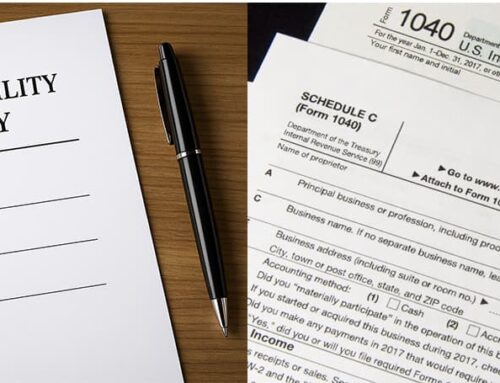
To form a general partnership in Texas, you need to: (1) choose a business name, (2) file an Assumed Name Certificate (DBA) if using a fictitious name, (3) create a written partnership agreement, (4) obtain an EIN from the IRS, and (5) secure necessary licenses and permits. No formal state registration is required, but following these steps protects your partnership legally and operationally.
Choosing the right business structure is one of the most critical decisions you’ll make as an entrepreneur. Whether you’re considering a sole proprietorship, general partnership, corporation, LLC, limited partnership (LP), or limited liability partnership (LLP), each entity type has distinct implications for taxation, personal liability, business management, and ownership transfer rights. Consulting with a Texas general partnership attorney can help you evaluate which structure best protects your interests and supports your business goals.
This comprehensive guide focuses specifically on forming a general partnership in Texas, including legal requirements, recommended best practices, and practical considerations for partnership success.
Key Insights:
- General partnerships in Texas require no formal state registration, but you must file a DBA with your county clerk if operating under a fictitious name
- A written partnership agreement is essential (though not legally required) to prevent disputes and establish clear operational guidelines
- All general partners have unlimited personal liability for partnership debts, making liability insurance critical
- Partnerships must obtain an EIN from the IRS and file annual Form 1065 returns, with income passing through to partners’ personal tax returns
- General partnerships with only individual partners are exempt from Texas franchise tax, but may need sales tax permits and other licenses depending on business activities
What Is a General Partnership in Texas?
A Texas general partnership is a business structure formed when two or more individuals agree to operate a for-profit business together. Unlike corporations or LLCs, general partnerships don’t require formal state registration to exist. They can form automatically when partners begin conducting business together.
Key characteristics of Texas general partnerships:
- Pass-through taxation: Partnership income flows through to individual partners, who report their proportional share on personal tax returns
- Unlimited personal liability: Each general partner is personally responsible for all partnership debts and legal obligations
- Shared management: All partners typically have equal management rights unless the partnership agreement specifies otherwise
- Franchise tax exemption: General partnerships where all partners are individuals (natural persons) are exempt from Texas franchise tax. However, if any partner is a corporation, LLC, or other entity, the partnership may be subject to franchise tax
- Flexible formation: No state filing is required to establish the partnership (though other registrations may be necessary)
Understanding these fundamental aspects helps you determine whether a general partnership aligns with your business goals and risk tolerance. Many entrepreneurs also consider alternative structures like limited partnerships or LLCs to limit personal liability exposure.
5 Essential Steps to Form a General Partnership in Texas
Setting up a general partnership correctly from the start prevents legal complications and partnership disputes down the road. Follow these five critical steps:
Step 1: Choose Your Partnership Name
Your partnership name serves as your business identity and must comply with Texas naming regulations.
Name selection guidelines:
Texas partnerships have two main naming options:
- Using partner legal names: If you operate under the actual surnames of all partners (e.g., John Smith and Mary Johnson forming “Smith & Johnson”), no DBA filing is required.
- Using a fictitious business name: If you operate under any name other than the full legal names of all partners (e.g., “Lone Star Consulting” or “Premier Legal Services”), you must file an Assumed Name Certificate (DBA) with your county clerk.
Before finalizing your name:
- Search the Texas Comptroller’s database to verify the name isn’t already registered by another business entity
- Review the Texas Secretary of State’s name filing FAQs for guidance on naming rules and restrictions
- Check the U.S. Patent and Trademark Office (USPTO) database to avoid trademark infringement
- Verify domain name availability for your online presence
- Ensure the name doesn’t imply you’re a different business structure (avoid terms like “Inc.” or “LLC” if you’re forming a partnership)
Taking these verification steps protects you from potential legal disputes and ensures your business name supports long-term brand development.
Step 2: File an Assumed Name Certificate (DBA) When Required
If your partnership operates under any name other than the legal names of all partners, Texas law requires you to file an Assumed Name Certificate, commonly called a “Doing Business As” (DBA) certificate.
DBA filing requirements:
- File with the county clerk’s office in the county where your principal place of business is located
- If you operate in multiple Texas counties without a fixed location, file in each county where you conduct business under the assumed name
- Renewal is required every 10 years in Texas
- Filing fees typically range from $15-$26 per county, plus $0.25-$0.50 for each additional owner beyond the first
- Veterans may qualify for fee waivers in some counties
What information you’ll need:
- The assumed name you plan to use
- The real names and addresses of all partners
- The nature of your business
- Your principal business address
Proper DBA registration ensures legal compliance and allows you to open business bank accounts, sign contracts, and conduct official business under your chosen name.
Step 3: Create a Comprehensive Written Partnership Agreement
While Texas law doesn’t legally require a written partnership agreement, creating one is absolutely essential for partnership success and longevity.
Why you need a partnership agreement:
Without a written agreement, your partnership defaults to the Texas Business Organizations Code provisions, which may not align with your intentions. A well-drafted partnership agreement prevents misunderstandings, establishes clear operational procedures, and provides dispute resolution mechanisms.
Critical elements your partnership agreement should address:
- Capital contributions: What assets, cash, or services will each partner contribute initially and ongoing?
- Profit and loss allocation: How will you distribute profits and losses among partners? (Equal shares, percentage-based, or another method?)
- Management authority: Who has decision-making power for daily operations versus major business decisions?
- Voting rights: What decisions require unanimous consent versus majority vote?
- Partner compensation: Will partners receive salaries, draws, or only profit distributions?
- New partner admission: What process governs adding new partners to the business?
- Withdrawal or retirement: How can a partner voluntarily exit the partnership?
- Death or disability: What happens if a partner dies or becomes incapacitated?
- Dispute resolution: Will you use mediation, arbitration, or another method to resolve conflicts?
- Partnership dissolution: Under what circumstances can the partnership be dissolved, and how will assets be distributed?
Professional guidance recommended:
While partnership agreement templates exist online, consulting with an experienced Texas business attorney ensures your agreement addresses your specific situation, complies with state law, and protects all partners’ interests. The upfront investment in legal counsel typically pays for itself by preventing costly disputes later.
Step 4: Obtain Your Employer Identification Number (EIN)
The IRS requires all partnerships to obtain a federal Employer Identification Number (EIN), regardless of whether you plan to hire employees. Think of an EIN as a Social Security number for your business.
How to apply for an EIN:
- Apply online through the IRS website (fastest method: receive your EIN immediately)
- Apply by mail using Form SS-4
- Apply by fax (receive EIN within 4 business days)
Why you need an EIN:
- Required for filing partnership tax returns (Form 1065)
- Necessary to open a business bank account
- Required for hiring employees and paying payroll taxes
- Needed to register for Texas sales tax permits or other state business registrations
- Required for establishing business credit
The online application process is straightforward and free. You’ll need basic information about your partnership, including partner details, business address, and the nature of your business activities.
Texas-specific tax registrations:
Depending on your business type, you may also need to register for:
- Texas sales and use tax permit (if selling taxable goods or services)
- Texas unemployment tax account (required if you have employees)
- Industry-specific tax obligations
A Texas business attorney or CPA can help you identify all applicable tax registration requirements for your specific partnership.
Step 5: Secure Necessary Licenses, Permits, and Zoning Approvals
Business licensing requirements vary significantly based on your industry, location, and business activities.
Types of licenses and permits you may need:
- Professional licenses: Many professions require individual practitioners to hold active licenses (e.g., attorneys, accountants, real estate agents, contractors, healthcare providers)
- Business licenses: Some Texas cities and counties require general business licenses or permits
- Industry-specific permits: Certain businesses need specialized permits (e.g., food service permits, alcohol licenses, environmental permits)
- Zoning clearance: Verify your business location is properly zoned for your intended commercial activities
- Building permits: Required for construction, renovation, or significant modifications to your business premises
Resources for identifying requirements:
- Texas Occupational Licenses and Permits database
- Your local city or county clerk’s office
- Texas Department of Licensing and Regulation (TDLR)
- Industry-specific regulatory agencies
Starting operations without proper licenses or permits can result in fines, business closure orders, and legal liability. Research requirements thoroughly before opening your doors.
Additional Partnership Setup Considerations
Beyond the five essential formation steps, successful partnerships also address these important operational elements:
Open a Dedicated Business Bank Account
Use your EIN to establish a business banking relationship separate from personal accounts. Maintaining clear separation between personal and partnership finances:
- Simplifies bookkeeping and tax preparation
- Provides liability protection by demonstrating the partnership as a distinct entity
- Creates an audit trail for partnership transactions
- Prevents disputes about personal versus business expenses
- Builds business credit history
Choose a bank that offers business checking accounts with favorable terms for partnerships, including multiple authorized signers and online banking features.
Establish Tax Compliance Systems
While general partnerships with only individual partners don’t pay Texas franchise tax, you likely have other tax obligations:
Federal tax requirements:
- File annual Form 1065 (U.S. Return of Partnership Income)
- Provide each partner with Schedule K-1 showing their share of partnership income
Texas state taxes:
- Sales and use tax (if applicable to your business)
- Employer payroll taxes (if you have employees)
- Franchise tax (only if the partnership has non-individual partners such as corporations or LLCs)
Local taxes:
- Some Texas municipalities impose local taxes or fees
Implement reliable accounting software or hire a bookkeeper from the start to ensure timely, accurate tax compliance. Missing tax deadlines or filing requirements can trigger penalties and interest charges.
Obtain Appropriate Business Insurance
Personal liability exposure is the most significant risk facing general partners. Each partner is personally liable for all partnership debts and obligations, meaning creditors can pursue your personal assets to satisfy partnership liabilities.
Insurance policies to consider:
- General liability insurance: Covers third-party bodily injury, property damage, and advertising injury claims
- Professional liability insurance (E&O): Protects against claims of professional negligence or mistakes
- Property insurance: Covers business property, equipment, and inventory
- Business interruption insurance: Replaces lost income if operations are disrupted
- Cyber liability insurance: Covers data breaches and cyber incidents
- Workers’ compensation insurance: Required in Texas if you have employees
Consult with a business insurance broker to assess your risk profile and obtain adequate coverage. The right insurance protection can prevent a single lawsuit or accident from destroying your partnership and personal finances.
FAQs About Texas General Partnerships
Do I need to register a general partnership with the Texas Secretary of State?
No, general partnerships don’t require formal registration with the state. However, you must file an Assumed Name Certificate (DBA) with your county clerk if operating under a fictitious name, and you need an EIN from the IRS for tax purposes.
What's the difference between a general partnership and an LLC in Texas?
The primary difference is liability protection. LLC members have limited liability, so personal assets are generally protected from business debts. General partners have unlimited personal liability for all partnership obligations. LLCs also require formal state registration and ongoing compliance, while general partnerships do not.
Can a general partnership have just one partner?
No, by definition a partnership requires two or more partners. A single-person business operates as a sole proprietorship. However, you could establish a single-member LLC if you want liability protection while operating alone.
How are general partnerships taxed in Texas?
General partnerships are pass-through entities for tax purposes. The partnership files an informational return (Form 1065) with the IRS, but doesn’t pay federal income tax. Partners report their share of partnership income on personal tax returns. General partnerships where all partners are individuals are exempt from Texas franchise tax, though you may owe sales tax or other business taxes depending on your activities. If any partner is a non-individual entity (corporation, LLC, etc.), franchise tax filing requirements may apply.
What happens if partners can't agree on a business decision?
This depends on your partnership agreement. Without a written agreement, Texas law requires unanimous consent for most major decisions. A well-drafted partnership agreement specifies which decisions require unanimous consent versus majority vote, and includes dispute resolution procedures like mediation or arbitration.
Can I convert my general partnership to an LLC later?
Yes, you can convert a general partnership to an LLC. This involves forming a new LLC with the Texas Secretary of State, transferring partnership assets to the LLC, and properly dissolving the partnership. Consult with a business attorney to ensure the conversion is handled correctly and doesn’t trigger unintended tax consequences.
How much does it cost to form a general partnership in Texas?
Formation costs are minimal since no state registration is required. Typical expenses include: DBA filing fees ($15-$26 per county plus $0.25-$0.50 per additional owner), attorney fees for drafting a partnership agreement ($500-$2,500+ depending on complexity), and initial business licenses or permits (varies by industry). The most significant investment is creating a comprehensive partnership agreement.
Do general partnerships need to file annual reports in Texas?
No, general partnerships don’t file annual reports with the state. However, you must file federal tax returns annually and maintain current business licenses and permits.
Why Work With a Texas General Partnership Attorney
Forming a general partnership involves more than completing paperwork. It requires strategic planning to protect your interests and set your business up for long-term success.
How Kelly Legal Group supports Texas partnerships:
- Drafting customized partnership agreements that address your unique business needs
- Advising on entity selection to minimize liability and tax obligations
- Ensuring compliance with federal, state, and local requirements
- Reviewing commercial leases, vendor contracts, and other business agreements
- Representing partners in disputes or dissolution matters
- Guiding business growth, including bringing on new partners or converting to different structures
Our experienced Texas business lawyers have helped countless entrepreneurs launch successful partnerships across diverse industries. We understand Texas business law and provide practical, cost-effective counsel tailored to your situation.
Start Your Texas Partnership Right
Forming a general partnership is an exciting step toward building a successful business. Taking time to properly structure your partnership, create a solid agreement, and comply with legal requirements protects all partners and positions your business for growth.
The business law team at Kelly Legal Group is ready to guide you through every step of the partnership formation process. We’ll help you avoid common pitfalls, minimize risk, and build a strong legal foundation for your new venture.
Contact us today to discuss your Texas partnership:
- Schedule a consultation online
- Call our Austin office at 737-257-4532
Let’s turn your business vision into reality with a partnership built to last.